
Answer up front
The RX 7900 XTX delivers roughly 75–95 % of the RTX 4090’s LLM inference speed at about half the cost, thanks to comparable 24 GB VRAM and strong memory bandwidth. It’s a great value for Linux users comfortable with ROCm setup; but if you need plug‑and‑play compatibility, broader tooling support, or Windows workflows, the RTX 4090 (CUDA) still wins.
This post may contain affiliate/partner links. If you buy or sign up through them, we may earn a commission at no extra cost to you.
What is the RX 7900 XTX vs RTX 4090 for LLM inference?
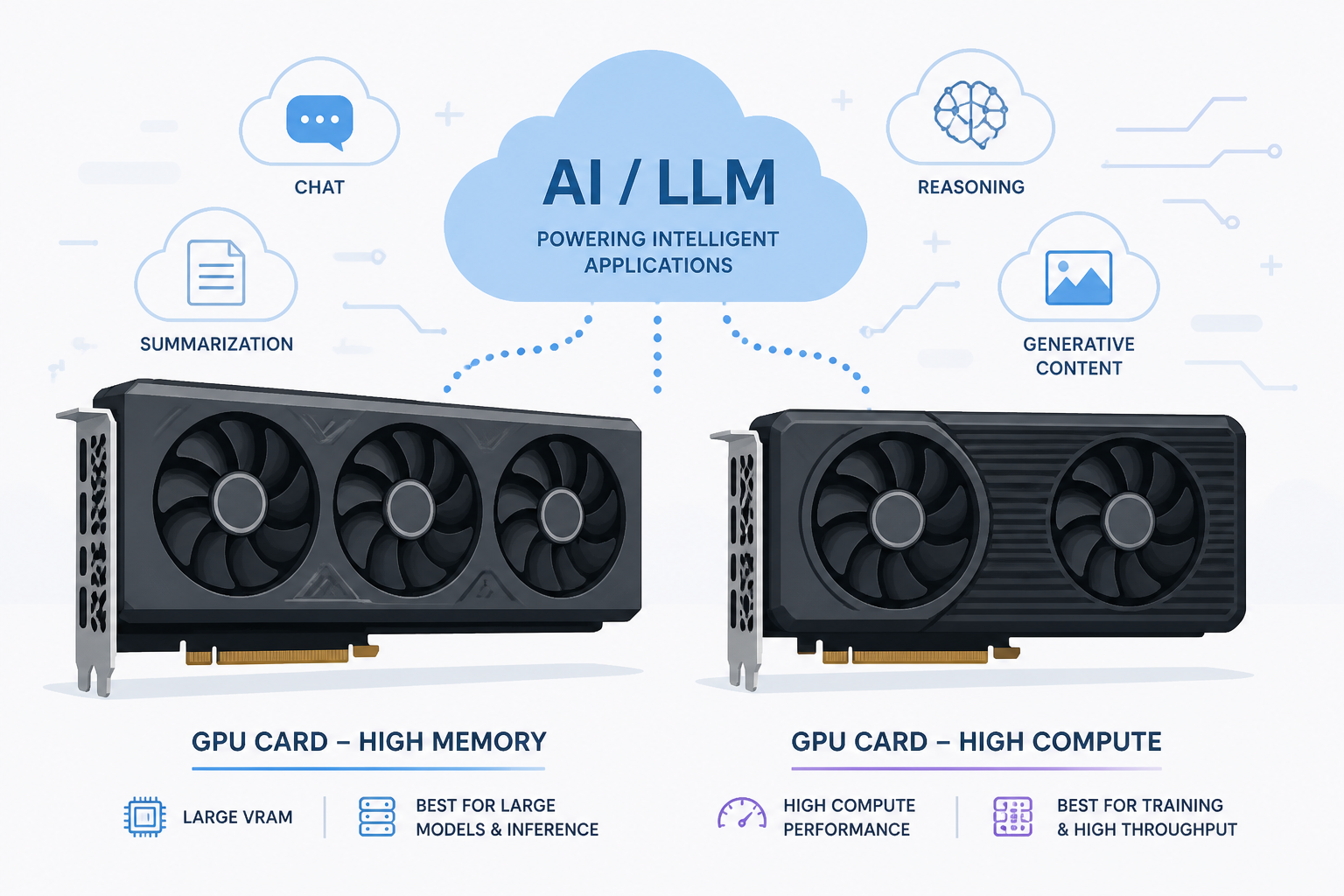
RX 7900 XTX vs RTX 4090 for LLMs compares two consumer‑grade GPUs offering 24 GB VRAM making them viable for running modern LLMs locally. The RX 7900 XTX runs inference using AMD’s ROCm (or Vulkan), while the RTX 4090 uses NVIDIA’s mature CUDA ecosystem.
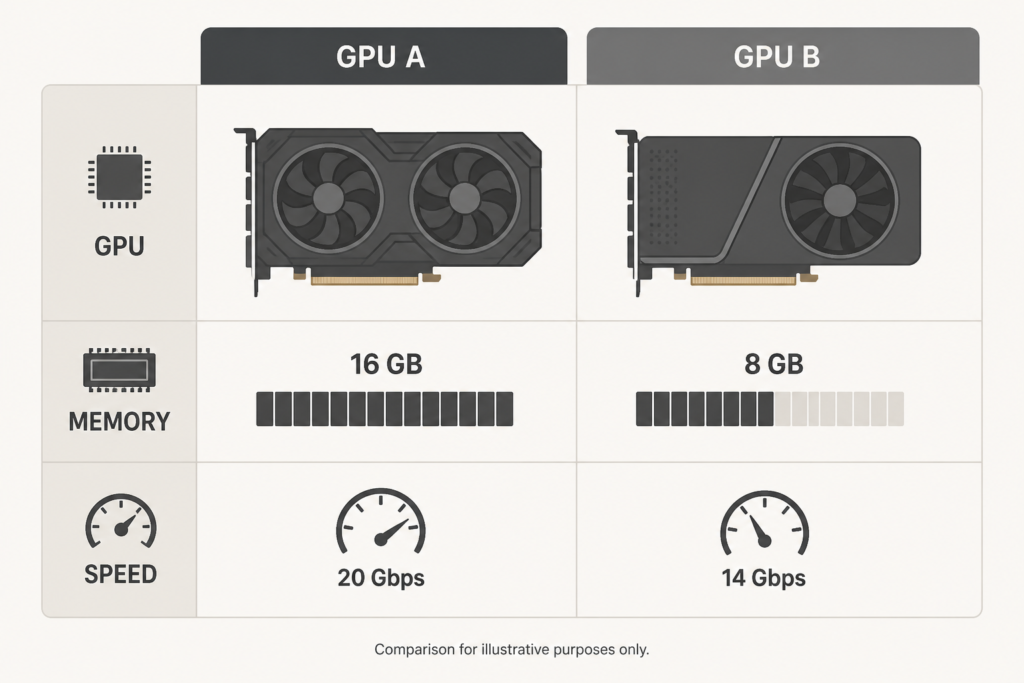
How do they compare in specs and cost?
| Spec | RX 7900 XTX | RTX 4090 |
|---|---|---|
| VRAM | 24 GB GDDR6 | 24 GB GDDR6X |
| Memory bandwidth | ≈ 960 GB/s | ≈ 1008 GB/s |
| Typical price (2026) | ~ $700‑800 | ~ $1,500‑1,600 |
| API | ROCm (Primary) / Vulkan (alternative) | CUDA |
| Inference speed (token/sec) | ~75–95 % of RTX 4090 | Baseline |
| Compatibility & tooling | Growing, Linux‑centric | Mature, broad, multi‑OS |
These figures reflect publicly shared benchmarks and market trends from mid‑2026 ([llmhardware.io](https://llmhardware.io/guides/rx-7900-xtx-llm-guide?utm_source=openai)).
How close in inference speed are they?
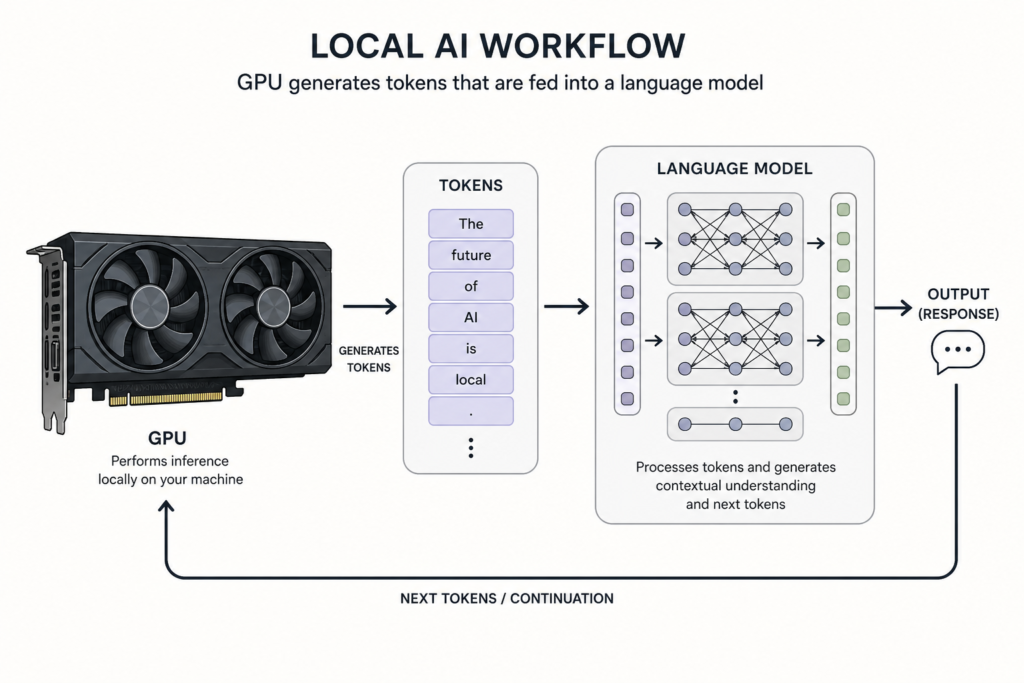
Community and benchmarking data indicate that a RX 7900 XTX running Llama 3.1 8B via ROCm achieves ≈ 96 tokens/sec, roughly 75 % of an RTX 4090’s speed ([localaimaster.com](https://localaimaster.com/blog/amd-rocm-local-llm-setup)). LLMHardware.io suggests RX 7900 XTX performance lands within 5 % of RTX 4090 when comparing memory bandwidth in inference workloads ([llmhardware.io](https://llmhardware.io/guides/rx-7900-xtx-llm-guide)).
However, on llama.cpp, Vulkan on RX 7900 XTX has clocked ~191 t/s for 7B Q4_0 models, while ROCm is reported ≈ 20–30 % slower (129–144 t/s) ([aliteq.com](https://aliteq.com/rx-7900-xtx-worth-it-local-ai-rocm-vs-vulkan-2026)). That makes Vulkan a compelling alternative if you want easier setup and high speed in llama.cpp workloads.
What about real-world benchmarks on larger models?
Dual RX 7900 XTX setups running 70B models (Q4_K_M) via ROCm have achieved ~13 tokens/sec (tg128) and ~341 t/s (pp512) with FlashAttention support ([github.com](https://github.com/1337hero/rx7900xtx-llama-bench-rocm)). These are usable speeds for long-context interactive use.
AWQ quantization reduces VRAM footprint on RX 7900 XTX from ~22.9 GB (FP16) to ~14.9 GB while maintaining ~53 tokens/sec in W4A16 mode ([github.com](https://github.com/xinkanglabs/rx7900xtx-rocm-awq-notes)) — beneficial when memory is tight.
What are the software and ecosystem trade‑offs?
ROCm (RX 7900 XTX) strengths & weaknesses
- Pros: Offers sub‑CUDA cost with equal VRAM, good for Linux, works with llama.cpp, Ollama, vLLM on AMD hardware ([localaimaster.com](https://localaimaster.com/blog/amd-rocm-local-llm-setup)).
- Cons: Setup is more complex, ROCm support outside Linux remains spotty, and some tools/frameworks still target CUDA first ([kunalganglani.com](https://www.kunalganglani.com/blog/amd-rocm-vs-cuda-local-ai-open-source-guide)). Vulkan may outperform ROCm on certain workloads ([aliteq.com](https://aliteq.com/rx-7900-xtx-worth-it-local-ai-rocm-vs-vulkan-2026)).
CUDA (RTX 4090) strengths & weaknesses
- Pros: Mature software stack, universal tool compatibility (PyTorch, Stable Diffusion, fine‑tuning, LoRA, etc), works across Windows/Linux, reliable and broad support.
- Cons: High price, higher power draw, but unmatched ease of use.
Which should you choose?
If you prioritize value and inference on Linux
- RX 7900 XTX offers the strongest VRAM‑per‐dollar value and competitive inference performance for local LLM workloads if you’re comfortable navigating ROCm and possibly Vulkan.
If you need compatibility, serviceability, training, fine‑tuning
- RTX 4090 is a safer, more seamless choice—especially if you rely on CUDA‑exclusive tooling, use Windows, or value turnkey support.
Example scenarios
- A developer running llama.cpp or Ollama in Ubuntu, prioritizing VRAM cost and willing to manage ROCm: RX 7900 XTX is the smart option.
- A business using LoRA, fine‑tuning workflows, or mixed AI workloads on Windows/Linux: RTX 4090 delivers reliability and broad tool compatibility.