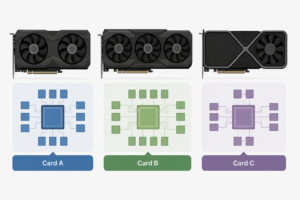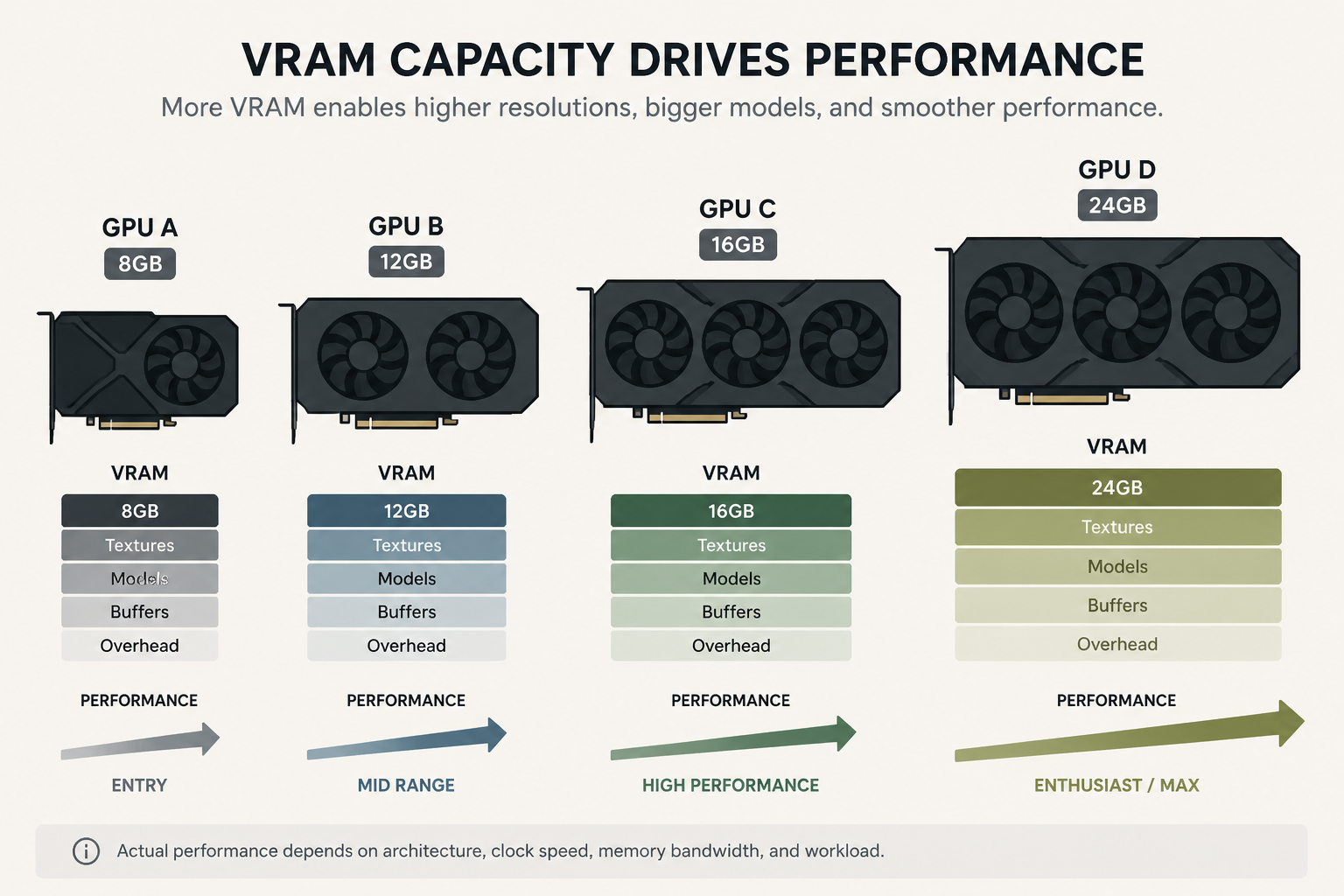

In short: Yes—some RTX 20 and 30 series cards remain cost-effective and capable in 2026, especially if you’re targeting 1080p/1440p gaming, light AI workloads, or tight budgets. Higher‑end 30‑series cards still outperform newer entry-level models.
What does “still worth it” mean?
“Still worth it” means offering acceptable gaming or compute performance today at a price that delivers value—for example:
- Smooth 1080p or 1440p gaming under modern titles
- Sufficient VRAM headroom (ideally 12 GB+) to avoid stutter or texture pop‑in
- Reasonable power draw and heat, especially compared to newer flagship GPUs
- Solid resale or used‑market value if upgrading soon
Are RTX 20‑series cards still viable in 2026?
Yes, especially the higher‑end models. The Turing architecture introduced real‑time ray tracing and Tensor cores, and those cards have aged remarkably well. The RTX 2080 Ti, with 11 GB VRAM, still holds up in many workloads—just 1 GB less than current mid-tier cards like the RTX 5070. The RTX 2080 with 8 GB is still usable, though the 6 GB VRAM on 2060 models is becoming a limiting factor in modern titles. ([tech.yahoo.com](https://tech.yahoo.com/computing/articles/nvidias-rtx-20-series-accidentally-123016081.html))
Value and resale market trends
Used prices remain relatively resilient. RTX 2060 Super, for instance, only drops around 10‑11 % per year—making it a reasonable budget buy if performance suffices. ([techspot.com](https://www.techspot.com/article/2107-your-graphics-card-worth/))
Cons of RTX 20 in 2026
They lack modern features like frame generation (Frame Gen), multi‑frame generation, AV1 decoding, and the latest DLSS enhancements—features that significantly boost performance and efficiency. ([tech.yahoo.com](https://tech.yahoo.com/computing/articles/nvidias-rtx-20-series-accidentally-123016081.html))
How about RTX 30‑series cards?
The Ampere‑based RTX 30 series still offers excellent performance. Ampere GPUs have seen sustained driver support and DLSS model updates—but they still miss frame gen entirely. ([tomshardware.com](https://www.tomshardware.com/pc-components/gpus/the-geforce-rtx-30-series-upgrade-matrix-does-your-ampere-gpu-need-an-upgrade-in-2026))
Used‑market sweet spots
BlueScreenBuilds ranks RTX 30 cards with 12–16 GB VRAM among the best used buys in 2026—particularly the RTX 3060 12 GB (<$200) and RTX 6800 XT 16 GB (<$250) for 1440p ultra gaming—assuming prices hold. ([bluescreenbuilds.com](https://www.bluescreenbuilds.com/how-to/best-older-gpus-still-worth-buying-2026/))
Performance vs newer entry‑level cards
In some benchmarks, the RTX 3070 can outperform the newer RTX 4060, despite age. Ampere remains strong value if you skip the premium for new gen. ([ofzenandcomputing.com](https://ofzenandcomputing.com/30-series-vs-40-series-gpus/))
VRAM advantage matters
PC Gamer real‑world tests confirm that while 8 GB is still playable, 16 GB cards offer substantial speed and stability advantages for modern titles. ([pcgamer.com](https://www.pcgamer.com/hardware/graphics-cards/my-real-world-testing-shows-8-gb-gpus-are-still-enough-for-gaming-in-2026-but-im-surprised-at-just-how-much-faster-the-16-gb-versions-are/?utm_source=openai))
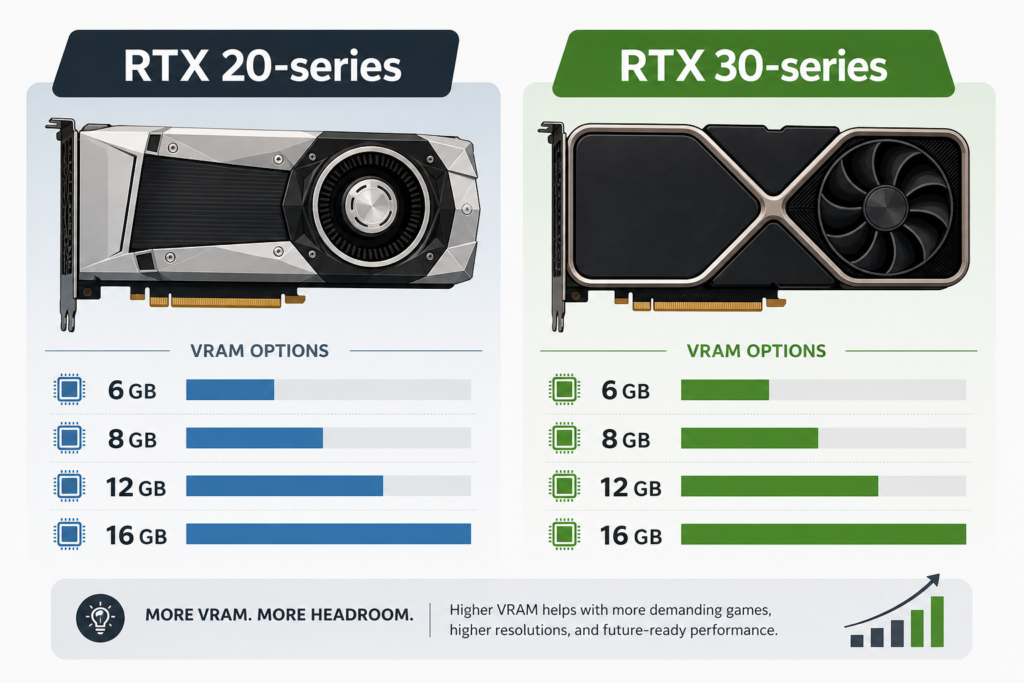
Comparing RTX 20 vs RTX 30 vs newer-gen (RTX 50) in 2026
| Series | Strengths | Weaknesses | Ideal Use Cases |
|---|---|---|---|
| RTX 20 (Turing) | Older edition RT/Tensor support; holds value on higher-end models | Low VRAM (2060); no Frame Gen, AV1, DLSS 4+ | 1080p gaming, budget used systems, VRAM‑tolerant workloads |
| RTX 30 (Ampere) | Strong raster/RT perf; still supported; DLSS (not FG); 12–16 GB models offer great value | No frame gen; newer GPU tech exists | 1080p/1440p high‑settings, content creation, modest AI |
| RTX 50 (Latest) | Latest tech: frame gen, DLSS 4+, AV1, power‑efficiency | High MSRP; limited supply drives price hikes | Gamers needing high refresh/4K, future‑proof AI workloads |
When is an RTX 20 or 30 series card still worth buying?
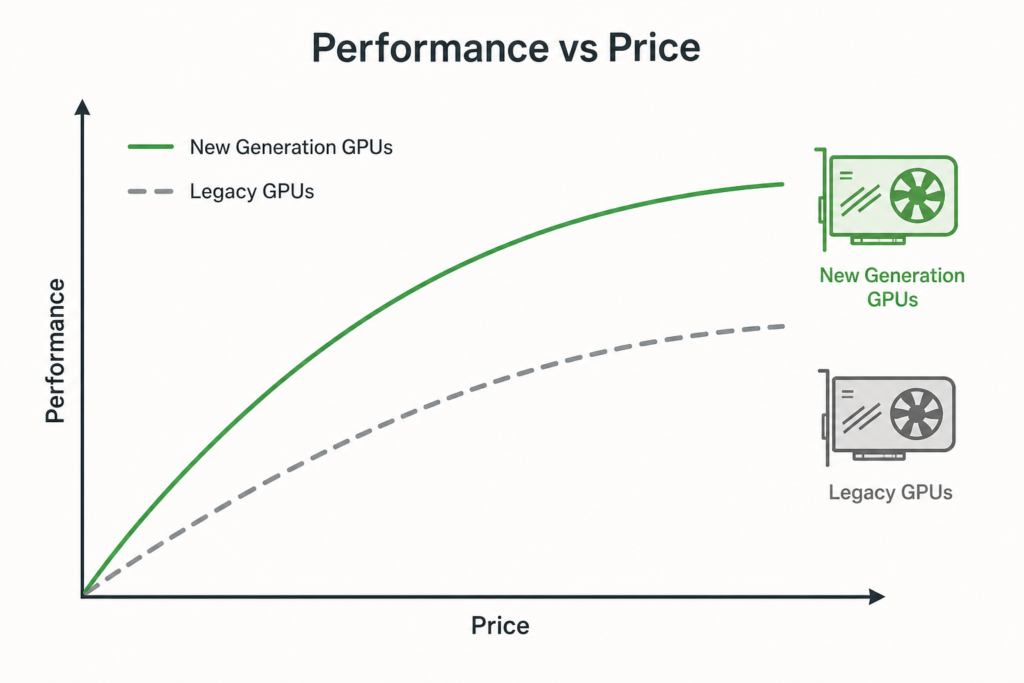
- Budget is tight: A well‑priced RTX 3060 12 GB or RTX 3060 Ti can outperform new entry‑level cards on a per‑dollar basis.
- Don’t need frame generation: Skip the premium for RTX 50‑series if you don’t require DLSS 4.0 FG or AV1 decoding.
- VRAM is key: Prioritize 12–16 GB models to stay smooth at higher resolutions.
- Resale upside: High‑end Turing cards like 2080 Ti hold value—great for leveraged upgrades.
What to watch for when buying used
- Confirm VRAM capacity and health—not all RTX cards age equally.
- Check for warranty or minimal price delta—if used price is within $50 of new-budget card, buy new. ([bluescreenbuilds.com](https://www.bluescreenbuilds.com/how-to/best-older-gpus-still-worth-buying-2026/))
- Consider total system balance—e.g., pairing RTX 30 with a weak CPU can bottleneck effectively.
Frequently asked questions
- Is RTX 2060 still usable in 2026?
It’s playable at 1080p if you lower VRAM‑heavy settings, but newer titles can push its 6 GB limit. Consider 3060 12 GB for better longevity. - Should I upgrade RTX 3060 to RTX 4070?
Only if you value frame‑generation and AV1. The 4070 adds efficiency—but 3060 remains solid for raster workloads. - Are RTX 20 cards future‑proof?
No—they lack ongoing SDK/driver support for evolving AI/gaming features. Use as a stopgap, not final upgrade. - Is VRAM or GPU generation more important?
In 2026, VRAM (12 GB+) often outweighs raw age. Newest tech helps, but no‑VRAM‑left means performance drops regardless of gen. - Which RTX 30 card gives best value used?
RTX 3060 12 GB and 3070 are top picks for balanced price, VRAM, and performance—especially on sale or used market.
Related guides
- See our deep dive on maximizing value from older GPUs: legacy GPU value guide
- Planning a budget 1440p build? Check build‑1440p‑ampere
- DIY used‑market checklist: buying‑used‑gpu